
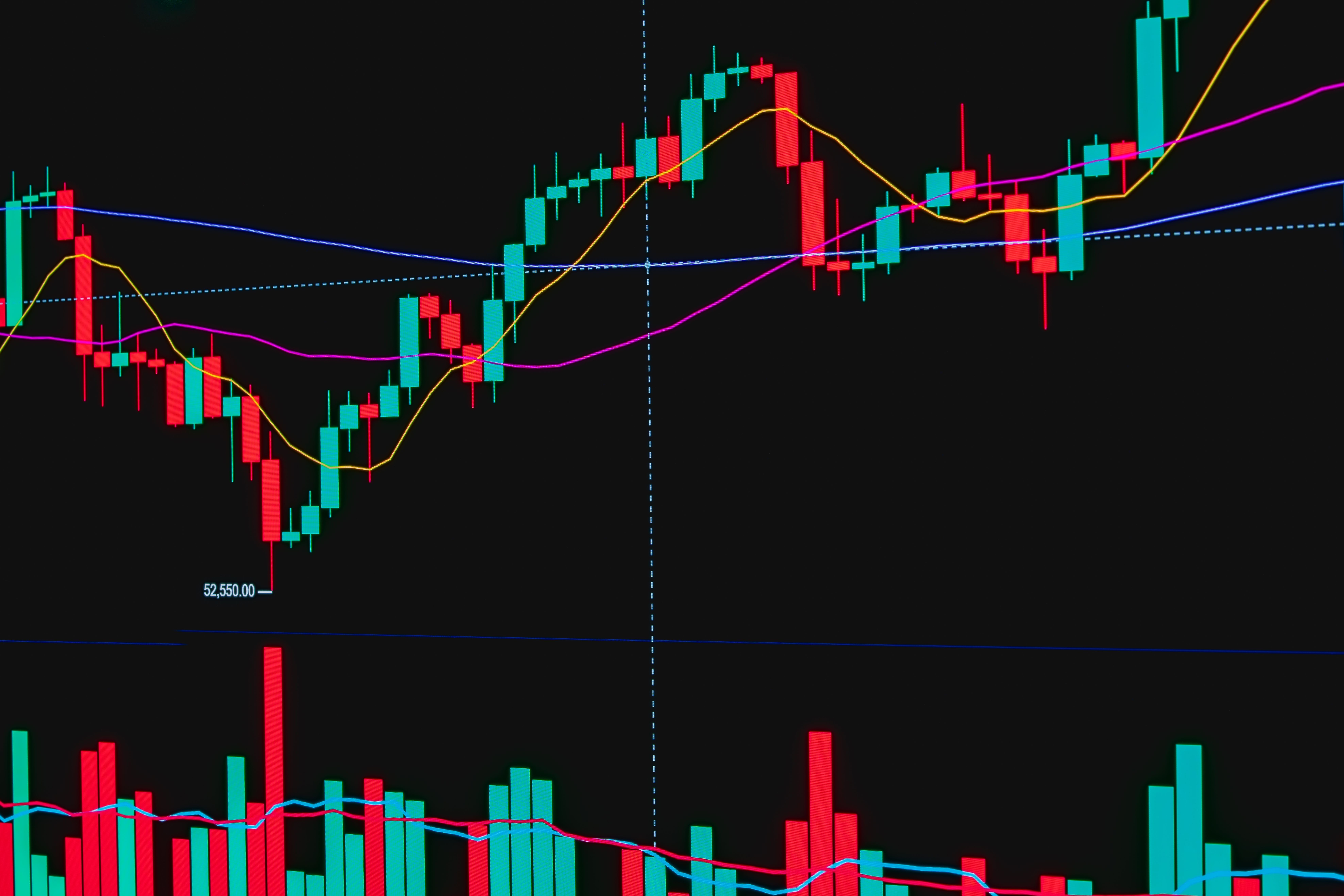
Volatility and risk are used interchangeably in market commentary, but they describe different things. Precious metals make the difference unusually visible.
Volatility is a measure of movement
Volatility describes how widely a price has swung around its own average over a period. It is symmetrical, counting upward moves exactly as heavily as downward ones.
An asset that doubles quickly is registered as highly volatile, which is a description of the path rather than a judgement about the outcome.
Because it is calculated from observed prices, volatility can only be measured where prices are frequently quoted, which is not true of every kind of holding.
Risk is about outcomes that do not reverse
The loss that matters to a holder is one that does not come back: an issuer failing, a claim proving unenforceable, or metal that was never there.
Those outcomes may produce no volatility at all beforehand, since the price quoted looks stable right up until the moment the underlying claim is tested.
A holding can therefore be calm and dangerous, or turbulent and sound, and the volatility figure does not distinguish between them.
Metals separate the two clearly
Physical metal held outright carries no issuer that can fail, so the loss it presents is a fall in price rather than the disappearance of the asset.
Its price moves enough to register as volatile, sometimes more than broad equity indices over the same stretch.
A paper claim on metal may show similar price movement while carrying an additional exposure to whoever stands behind it, which volatility never captures.
Liquidity sits between the two ideas
An asset that cannot be sold when needed imposes a real cost even if its quoted price is stable, because the holder is forced to sell something else instead.
Widely traded bullion products can generally be turned into cash quickly, while unusual formats and collectable pieces may take much longer to place at a fair price.
That difference is invisible in a volatility calculation and can matter more than price movement to anyone who might need the money.
Horizon determines which one dominates
Over short periods, volatility is what a holder experiences, because the account value moves and the position may have to be sold at whatever price exists.
Over long periods, volatility averages out and the questions that remain are whether the asset still exists, who holds it and whether the claim to it is good.
Matching the measure to the horizon prevents a holder from managing the number that is easiest to calculate rather than the one that will actually decide the result.