
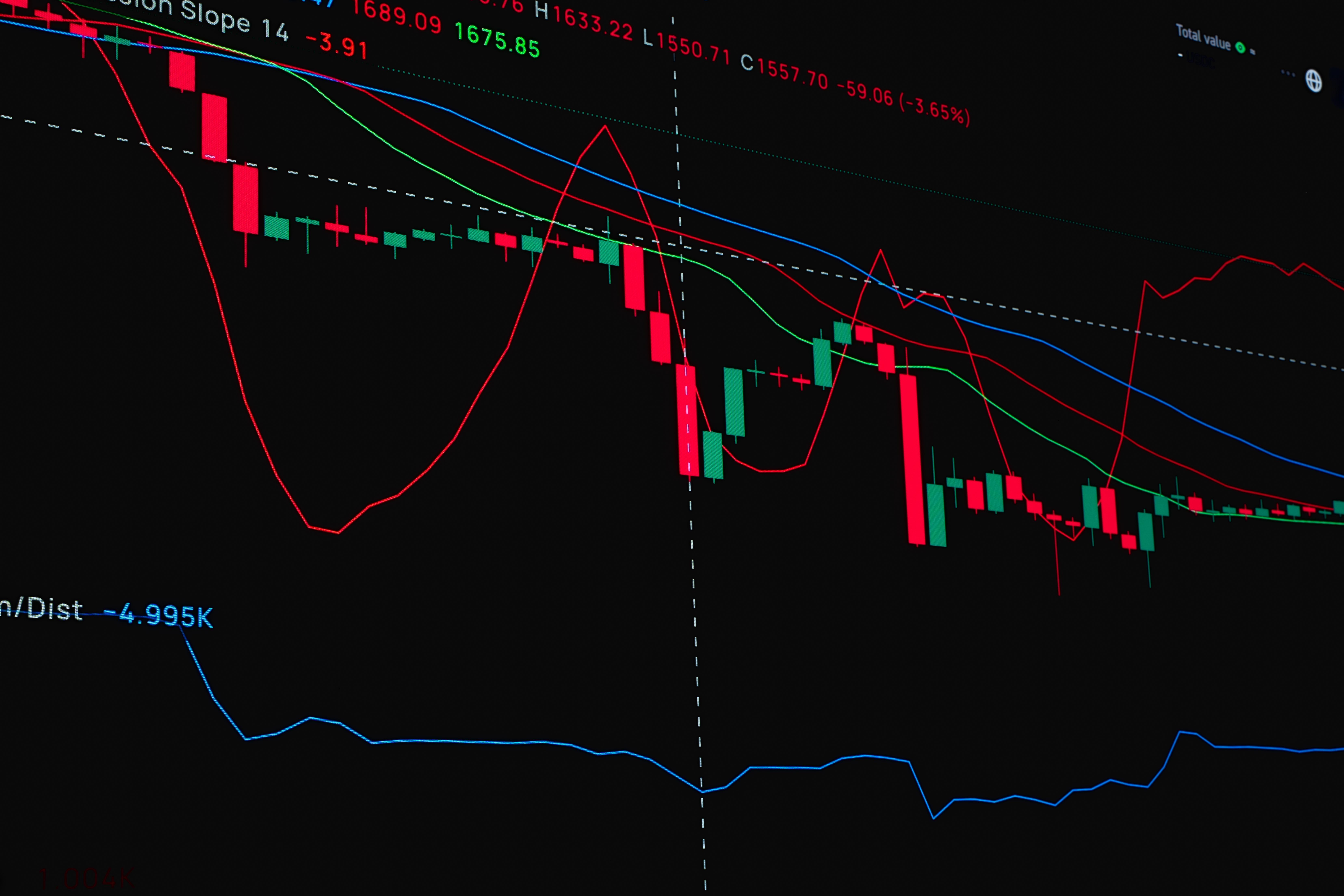
The number changing on a dealer's website through the day is derived from futures trading, not from a daily benchmark. That choice follows directly from how the dealer manages its own risk.
The futures market trades nearly around the clock
Gold futures trade electronically across most of the day and night, pausing only briefly. Prices update continuously in response to global activity.
A retail customer can place an order at almost any hour, and the dealer needs a reference price valid at that moment rather than one set earlier.
Benchmark prices established at fixed times are useful for contracts and valuations, but they cannot price a transaction happening at midnight.
Dealers hedge where they quote
After selling a coin, a dealer typically buys a futures contract to replace the exposure. The price at which it can execute that hedge determines whether the sale was profitable.
Quoting from any other reference would introduce a mismatch between the price offered to the customer and the price available in the hedging market.
Aligning the two is basic risk control, and it is why the futures feed rather than a spot benchmark drives the displayed number.
The active contract carries a basis
Futures settle at a future date, so their price includes financing and storage costs relative to metal available immediately. That difference is the basis.
Dealers adjust for it when translating futures into a quoted spot-equivalent price, which is why spot displays differ slightly between sources.
The basis is usually small and stable, but it widens in stressed conditions and can move the relationship between the two prices noticeably.
Rollovers create small discontinuities
Liquidity moves from one delivery month to the next on a recurring schedule, and the two contracts trade at slightly different prices.
Feeds that switch reference contracts show a small step at the changeover that reflects the contract change rather than any move in metal.
Anyone comparing quotes across sources during a rollover period may see differences that resolve themselves once both feeds have switched.
Premiums are added on top
The futures-derived reference is only the starting point. Fabrication cost, dealer margin, packaging and shipping are added to reach the price a customer pays.
Those additions move on a different rhythm than the metal price, responding to retail demand and mint production rather than to trading activity.
Watching the two separately is what allows a buyer to tell whether a rising ticket price reflects the metal or the queue in front of it.