
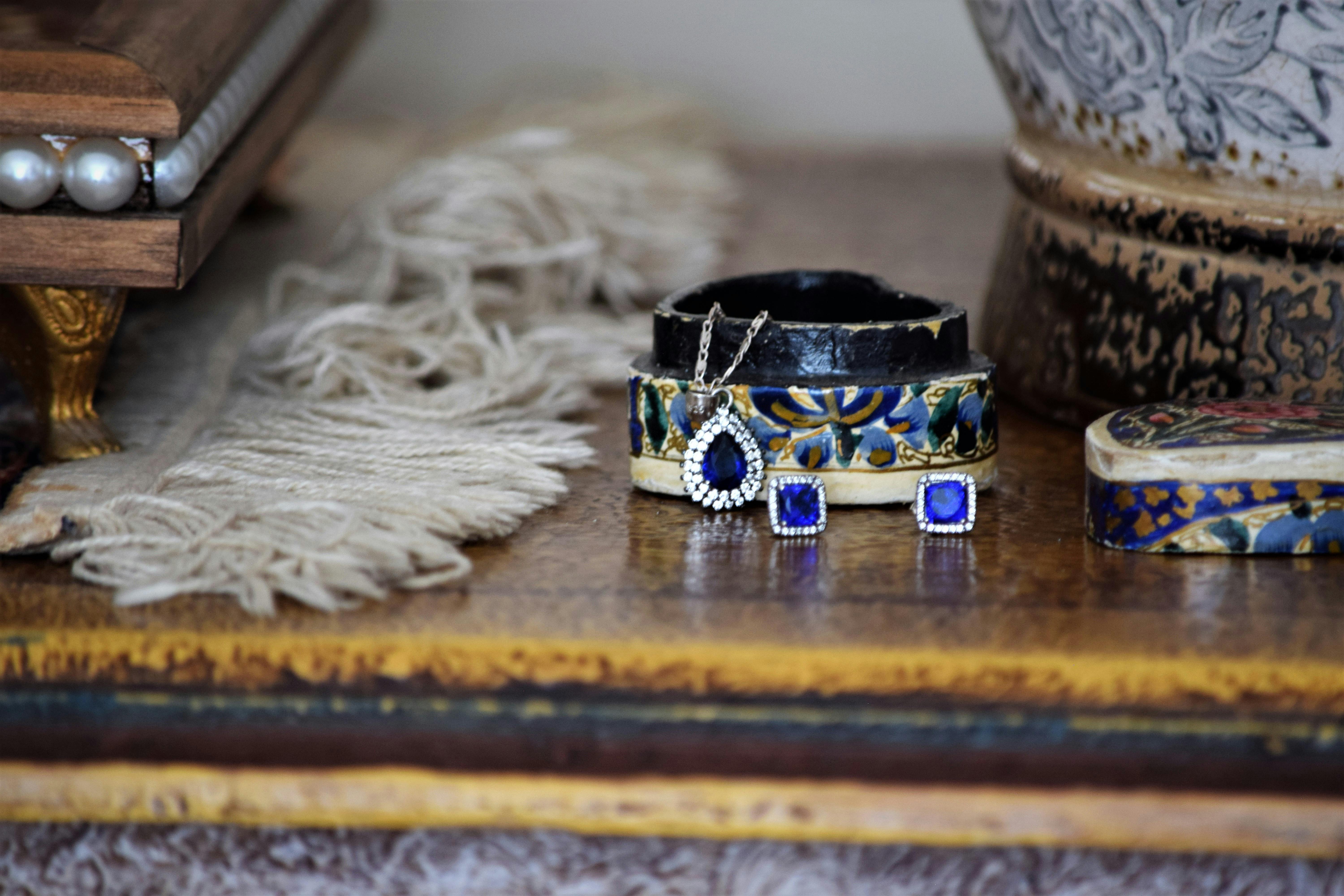
Some jewellery sells for many times its metal value while identical weight in modern pieces sells for barely more than scrap. The difference lies in what cannot be reproduced.
Construction methods have changed
Older pieces were built by hand from rolled sheet and drawn wire, with each element cut, shaped and joined individually by a maker working to a design.
Modern volume production uses casting from moulds, which is faster and produces a different structure with different surface characteristics.
The distinction is visible to anyone who knows what to look for, and it is one of the things a specialist buyer is assessing.
Materials and treatments differ by period
Stones cut before modern machinery have proportions that reflect the tools and priorities of their time, and their character cannot be replicated by recutting a modern stone.
Some materials used historically are now restricted or unavailable, which fixes the supply of pieces containing them permanently.
Alloys and finishing techniques also varied, so a period piece carries physical evidence of when and where it was made.
Survival is what creates scarcity
Jewellery has always been melted when metal prices rise or when styles change, so only a portion of what was made in any period still exists.
Each wave of melting reduces the surviving population further, and it removes complete examples preferentially because they are the heaviest.
The result is a supply that only shrinks, which supports prices for good examples independently of what the metal is doing.
Condition and completeness drive the premium
Original clasps, fittings and stones matter disproportionately, because replacements are common and their presence is what distinguishes an intact piece.
Heavy polishing removes surface detail and softens edges, reducing value even though it improves the immediate appearance.
Repairs made with modern solder are detectable and reduce the premium, which is why conservation of antique pieces differs from ordinary jewellery repair.
The market is narrower than the bullion market
Selling at a premium to metal value requires reaching buyers who recognise the premium, which usually means a specialist dealer or an auction rather than a scrap counter.
That process takes longer and involves fees, so the price achieved and the speed of sale pull against each other.
The metal content sets a floor beneath the piece, and everything above that floor depends on finding the buyer who wants that particular object.