
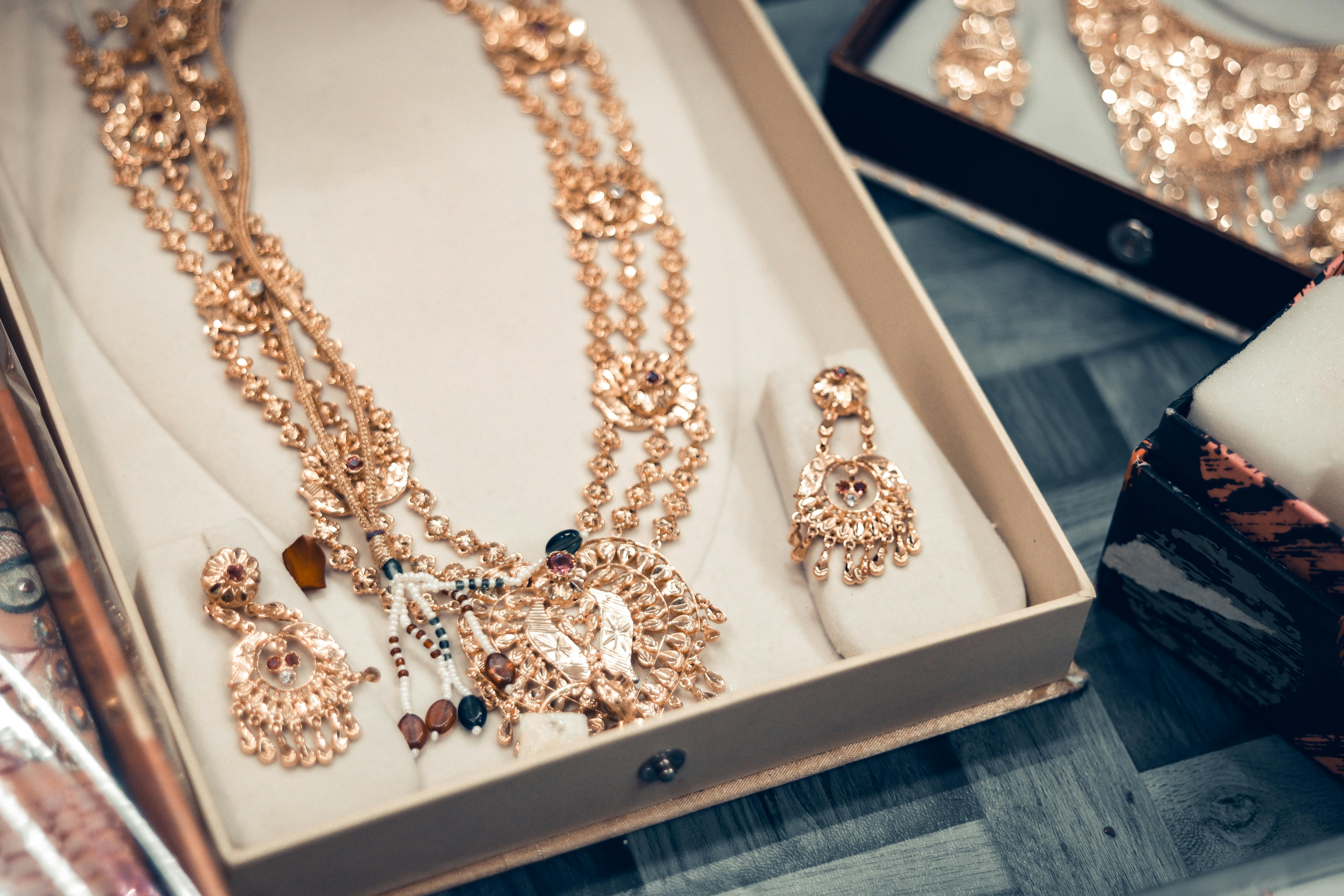
In 2026, the luxury jewelry market is undergoing a seismic shift. Savvy investors and ethically-conscious consumers are increasingly choosing lab-grown diamonds and sustainable gemstones over traditional mined options. Discover why these brilliant, eco-friendly alternatives offer superior value, unparalleled transparency, and redefine modern luxury, impacting your purchasing decisions for engagement rings, fine jewelry, and long-term investment.
Introduction to the Topic
Welcome to 2026, where the definition of luxury has evolved beyond mere rarity to encompass ethics, sustainability, and technological innovation. For decades, the allure of a diamond has been synonymous with love, status, and an enduring investment. Yet, beneath the sparkle, the traditional diamond industry has faced growing scrutiny regarding its environmental impact, ethical sourcing, and often opaque supply chains. This year, a revolutionary contender has firmly established itself at the forefront of fine jewelry: the lab-grown diamond. No longer a niche alternative, these dazzling gems, chemically, physically, and optically identical to their mined counterparts, are now the preferred choice for a new generation of consumers and astute investors alike. At digitalgoldinvester.com, we're tracking this monumental shift, exploring how cutting-edge technology is reshaping not just our jewelry boxes, but our values and financial portfolios.
Backgrounds & Facts
The journey of a lab-grown diamond begins not deep within the earth, but in highly controlled, state-of-the-art laboratories. Two primary methods dominate their creation: High Pressure High Temperature (HPHT) and Chemical Vapor Deposition (CVD). Both processes replicate the natural conditions under which diamonds form, yielding genuine diamonds atom by atom. The result? A diamond that is indistinguishable from a mined diamond to the naked eye, and even to most gemologists without specialized equipment. Critically, major gemological institutes like the GIA (Gemological Institute of America) and IGI (International Gemological Institute) certify lab-grown diamonds with the same rigorous standards applied to mined diamonds, ensuring authenticity and quality.
The environmental footprint of lab-grown diamonds is significantly smaller. Traditional diamond mining involves extensive land disruption, massive energy consumption, and often leads to habitat destruction and water pollution. In stark contrast, lab-grown diamonds require a fraction of the energy, produce minimal waste, and have no association with conflict zones or exploitative labor practices, addressing the painful legacy of 'blood diamonds.' This ethical clarity is a powerful driver for today's consumers. Economically, lab-grown diamonds offer incredible value. By bypassing the complex, multi-layered supply chain of mined diamonds, they typically retail for 30-50% less than a comparable mined diamond, allowing consumers to acquire larger, higher-quality stones for the same budget. Projections for 2026 show the global lab-grown diamond market continuing its exponential growth, solidifying its position as a dominant force in luxury jewelry, with market share expanding rapidly year over year.
Expert Opinion / Analysis
“The narrative around diamonds has fundamentally changed,” states Dr. Anya Sharma, a leading gemologist and sustainable luxury consultant. “For years, the perceived rarity of mined diamonds dictated their value. Now, consumers are more educated. They understand that true rarity is less about origin and more about quality, ethical provenance, and personal significance. Lab-grown diamonds deliver on all fronts without the environmental or social baggage.”
From an investment perspective, while diamonds are not typically considered liquid assets like gold or stocks, the emergence of lab-grown options presents a compelling argument for value optimization. “Traditional mined diamonds often experience significant depreciation the moment they leave the jeweler,” explains Marcus Thorne, a financial analyst specializing in luxury assets. “The inflated pricing of mined diamonds, driven by controlled supply and aggressive marketing, leaves little room for retained value. Lab-grown diamonds, purchased at a more transparent and accessible price point, offer a superior asset from a pure cost-to-quality ratio. You’re getting more tangible sparkle for your dollar, reducing the initial premium that typically erodes.”
Industry insiders also point to the psychological shift. “The 'new luxury' consumer, particularly Gen Z and Millennials, prioritizes transparency, authenticity, and impact,” says Eleanor Vance, CEO of a prominent ethical jewelry brand. “They want to know where their products come from, how they’re made, and that their purchases align with their values. Lab-grown diamonds perfectly fit this ethos, allowing for guilt-free indulgence in exquisite beauty. It's not just about affordability; it's about making a conscious choice that reflects modern sensibilities.” This convergence of ethical demand, technological advancement, and economic savvy positions lab-grown diamonds as a cornerstone of 2026's luxury market.
💰 Best Options in Comparison (VERY IMPORTANT)
Navigating the burgeoning market for lab-grown diamonds and ethical jewelry can be exciting, given the array of choices available. To help you make an informed decision, we've highlighted two leading brands that exemplify excellence in quality, ethics, and customer experience in 2026. These options cater to different preferences, ensuring you find the perfect piece that aligns with your values and budget.
- VRAI: The Vertically Integrated Innovator
VRAI stands out as a pioneer, controlling its entire supply chain from diamond growth to finished jewelry. This vertical integration ensures unparalleled transparency and a commitment to zero-emission practices, utilizing hydropower to grow their diamonds. They offer a stunning array of designs and a personalized shopping experience, making them a top choice for those seeking cutting-edge sustainable luxury directly from the source. Their focus on bespoke design and traceable origins resonates deeply with the modern consumer looking for both beauty and integrity. - Brilliant Earth: The Ethical & Diverse Curator
Brilliant Earth has long been a leader in ethical jewelry, offering a wide selection of both lab-grown diamonds and ethically sourced natural diamonds, alongside recycled precious metals and fair-trade gemstones. They are renowned for their extensive customization options, diverse styles, and strong commitment to social and environmental responsibility, including giving back to communities impacted by the jewelry industry. For shoppers who prioritize a broad selection of certified ethical options and robust philanthropic initiatives, Brilliant Earth provides a comprehensive and trustworthy platform.
Choosing between these stellar options often comes down to specific priorities:
| Feature | VRAI | Brilliant Earth |
|---|---|---|
| Average Price Point (1ct Engagement Ring) | Mid-High Range ($2,500 - $6,000+) | Mid-High Range ($2,800 - $7,000+) |
| Diamond Sourcing | 100% Lab-Grown (Zero Emission Certified) | Lab-Grown & Ethically Sourced Natural Diamonds |
| Precious Metal Sourcing | Recycled Gold & Platinum | Recycled Gold, Platinum, & Fairtrade Gold |
| Custom Design Options | Extensive, with virtual consultations | Very Extensive, personalized service |
| Certifications | IGI, GIA, VRAI's own Diamond Foundry Certification | GIA, IGI, AGS (for natural), SCS Global Services (for recycled metals) |
| Unique Selling Proposition | Full vertical integration, guaranteed zero emission, direct-from-grower pricing, innovation-led designs. | Broadest selection of ethical options, strong philanthropic mission, comprehensive educational resources. |
Outlook & Trends
Looking ahead to the rest of 2026 and beyond, the jewelry landscape is poised for even more transformative changes. We anticipate continued advancements in lab-grown diamond technology, potentially leading to even larger, purer stones with novel color variations at increasingly accessible price points. Artificial Intelligence (AI) is already making inroads into jewelry design, enabling rapid prototyping, personalized recommendations, and even generative design that can create unique pieces based on customer input or biometric data.
The circular economy will gain further traction within luxury jewelry, with robust secondary markets for pre-owned fine jewelry and an increased focus on responsibly recycling precious metals. Brands will increasingly offer buy-back programs or trade-in incentives, extending the lifecycle of valuable pieces. Personalization will move beyond engraving, integrating advanced 3D printing for truly bespoke designs that reflect individual narratives and styles. Moreover, the line between traditional jewelry and subtle smart wearables will blur, with discreetly integrated health monitors or digital payment functionalities becoming common in elegant rings, bracelets, and pendants. The future of jewelry is not just about adornment; it's about intelligent, sustainable, and deeply personal expression.
Conclusion
In 2026, the choice between a mined diamond and a lab-grown diamond is no longer a debate of authenticity, but one of values, economics, and future-forward thinking. Lab-grown diamonds represent the pinnacle of modern luxury: brilliant, ethical, sustainable, and undeniably smart. For the digitalgoldinvester.com reader, this shift offers a unique opportunity to acquire superior quality and beauty at a more transparent value, aligning personal aesthetics with global responsibility. Whether you're seeking the perfect engagement ring, a statement piece, or simply a smarter way to invest in fine jewelry, the lab-grown revolution provides a compelling answer. Embrace the future of forever – a future that sparkles brighter with integrity and innovation. Explore these leading options today and redefine your luxury experience.