
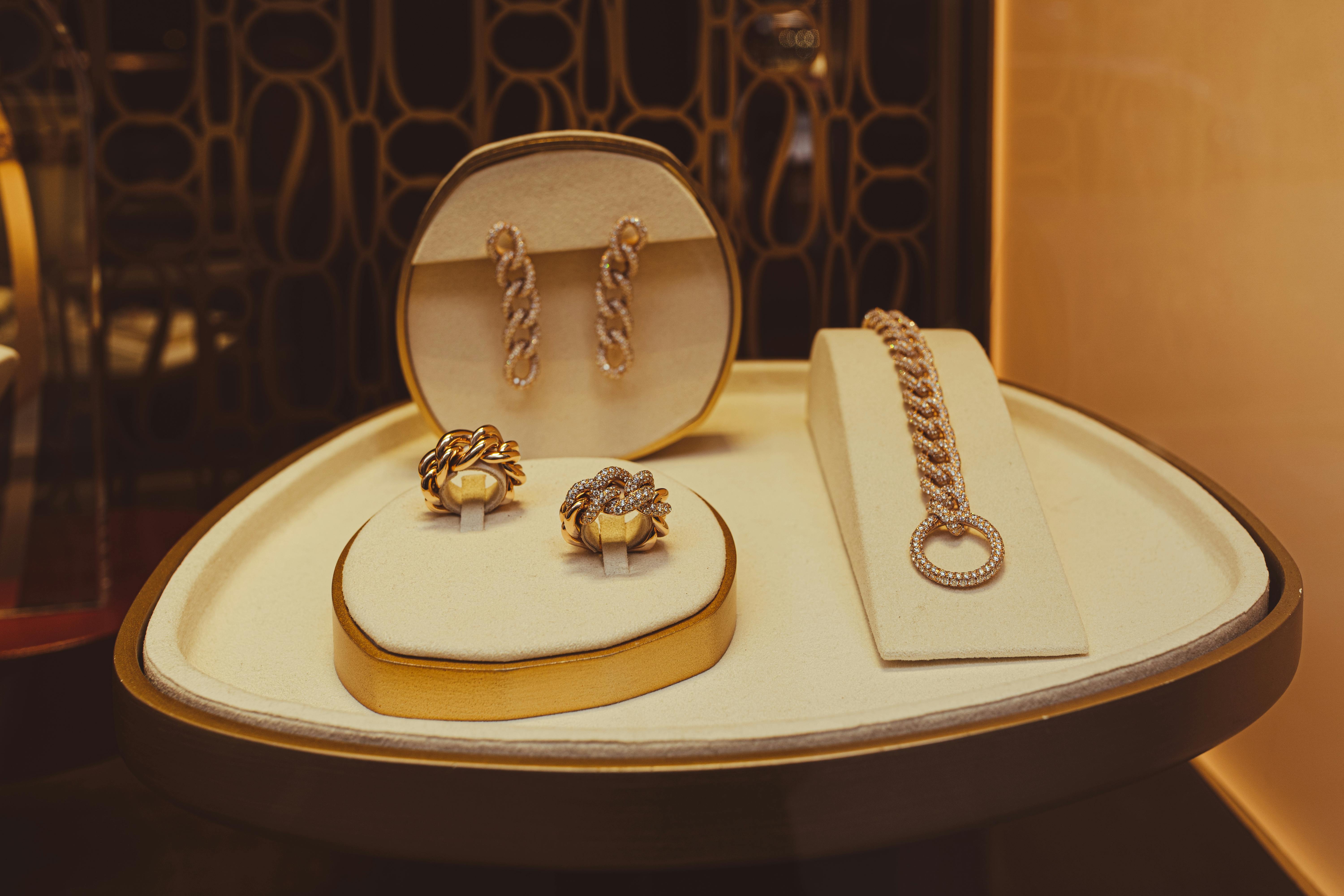
In 2026, lab-grown diamonds are revolutionizing the jewelry market. Discover how these ethically sourced, sustainable gems offer unparalleled value, compare the best retailers, and understand their impact on your investment portfolio and the future of luxury. A must-read for smart shoppers and digital gold investors.
Introduction to the Topic
Welcome to 2026, where the sparkle of innovation is challenging centuries of tradition. For years, the allure of diamonds has been inextricably linked to rarity, geological formation, and often, contentious supply chains. But today, a new contender has not just entered the ring; it's dominating it: the lab-grown diamond. Once a niche curiosity, these technologically marvels have, by 2026, become a mainstream phenomenon, reshaping consumer expectations, ethical considerations, and even the very definition of 'value' in fine jewelry.
At digitalgoldinvester.com, we understand that smart investing isn't just about traditional assets. It's about understanding emerging markets, optimizing your purchasing power, and aligning your choices with future trends. Lab-grown diamonds represent a unique intersection of technology, sustainability, and accessible luxury – a true 'digital gold' equivalent for the modern jewelry consumer. This article will delve deep into the world of cultivated diamonds, exploring their rise, comparing your best options, and forecasting their trajectory in the years to come. Are they the smart investment for your jewelry portfolio, or simply a brilliant alternative? Let's find out.
Backgrounds & Facts
The journey of a lab-grown diamond begins not deep within the Earth's mantle, but in highly controlled, state-of-the-art laboratories. There are two primary methods for their creation: High-Pressure/High-Temperature (HPHT) and Chemical Vapor Deposition (CVD). Both processes essentially replicate the natural conditions under which diamonds form, resulting in stones that are chemically, physically, and optically identical to their mined counterparts. This isn't a simulant like cubic zirconia; it's a real diamond, just with a different origin story.
By 2026, the technology has matured significantly. Production costs have decreased, quality has soared, and the market has embraced them with open arms. Here are some critical facts:
- Identical Properties: Lab-grown diamonds possess the same crystal structure, brilliance, fire, and scintillation as mined diamonds. Even expert gemologists require specialized equipment to distinguish them.
- Ethical & Sustainable: This is perhaps their biggest selling point. Lab-grown diamonds are inherently conflict-free, avoiding the humanitarian and environmental concerns often associated with traditional diamond mining. They require less land disruption, generate fewer carbon emissions, and consume less water.
- Certification: Reputable lab-grown diamonds come with certifications from independent gemological laboratories like IGI (International Gemological Institute), GIA (Gemological Institute of America - which now grades LGDs), and GCAL (Gem Certification & Assurance Lab). These certifications detail the 4 Cs (Carat, Cut, Color, Clarity), just like for natural diamonds, ensuring transparency and quality.
- Price Advantage: On average, lab-grown diamonds are 50-70% less expensive than natural diamonds of comparable size and quality. This allows consumers to purchase significantly larger or higher-quality stones for their budget, maximizing visual impact and perceived value.
The narrative has shifted from 'fake' to 'future.' Consumers in 2026 are increasingly prioritizing conscious consumption, seeking transparency, and demanding value. Lab-grown diamonds deliver on all fronts, making them a compelling choice for engagement rings, fashion jewelry, and unique statement pieces.
Expert Opinion / Analysis
“The market acceptance of lab-grown diamonds in 2026 is no longer a question of 'if,' but 'how much,'” states Dr. Anya Sharma, a leading gemologist and market analyst. “We've seen exponential growth, driven by Gen Z and Millennial buyers who are deeply committed to ethical sourcing and sustainability. They see these diamonds not as a compromise, but as a superior choice that aligns with their values.”
From an investment perspective, the conversation is nuanced. Traditional natural diamonds, especially rare, large, or fancy-colored stones, have historically been considered a store of value, appreciating over long periods. Lab-grown diamonds, however, are a manufactured product. “While they don't have the same long-term appreciation potential as a rare natural diamond, their value proposition lies in their accessibility and immediate impact,” explains Marcus Thorne, a financial advisor specializing in luxury assets. “You're not buying an investment asset that will necessarily grow in monetary value; you're buying a luxury product that offers unparalleled beauty and size for a fraction of the cost. For the 'digital gold' investor, this means maximizing the aesthetic and emotional return on your jewelry purchase.”
The price stability of lab-grown diamonds is also a key factor. While initial prices were higher, increased production capacity and technological advancements have led to a more predictable market. Consumers can now purchase with confidence, knowing they are getting a premium product at a fair, market-driven price. Furthermore, the ability to trace the origin and environmental footprint of each lab-grown diamond, often through blockchain technology, offers a level of transparency that traditional diamond mining struggles to match, appealing directly to the informed consumer of 2026.
💰 Best Options in Comparison (VERY IMPORTANT)
Choosing the right lab-grown diamond involves more than just selecting the 4 Cs. In 2026, the market is rich with options, from direct-to-consumer online retailers to bespoke jewelry houses. Here’s a comparison of leading approaches and what to look for when making your purchase:
- Online Retailers (e.g., James Allen, Blue Nile, Brilliant Earth, Lightbox): These platforms offer vast inventories, competitive pricing, and often 360-degree views of each diamond. They are ideal for budget-conscious buyers seeking maximum carat weight and quality for their dollar. Many provide excellent customization options for settings. Lightbox, a subsidiary of De Beers, has standardized pricing per carat, simplifying the decision for many.
- Specialty Lab-Grown Boutiques (e.g., VRAI, Ada Diamonds): These brands specialize exclusively in lab-grown diamonds, often emphasizing design, ethical sourcing, and personalized service. They might offer unique cuts, custom designs, and a more curated selection, appealing to those who prioritize a distinct aesthetic and brand story. Their prices can be slightly higher than mass online retailers but come with added value in service and design.
- Traditional Jewelers with LGD Collections: Many established brick-and-mortar jewelers now carry lab-grown diamond collections. This option provides the tactile experience of seeing the diamond in person, along with expert guidance and after-sales service. It's a good choice for those who prefer an in-person shopping experience and trust a local jeweler, though prices might be less competitive than online.
- Bespoke Designers: For truly unique pieces, working with a bespoke designer allows you to source a specific lab-grown diamond and create a one-of-a-kind setting. This is the premium option, offering unparalleled customization and artistry, ideal for those seeking a truly personal statement piece.
When comparing, always prioritize diamonds with IGI, GIA, or GCAL certifications. Look for clear return policies, warranties, and information on the lab's sustainability practices.
Lab-Grown Diamond Retailer Comparison (2026)
| Retailer Type / Example | Key Differentiator | Price Range (per carat) | Certifications | Customization | Ideal For |
|---|---|---|---|---|---|
| Online Megastores (e.g., James Allen, Blue Nile) | Largest selection, highly competitive pricing, 360° views. | $ (Very Competitive) | IGI, GIA, GCAL | Extensive setting options. | Budget-conscious, value-driven buyers. |
| Specialty Boutiques (e.g., VRAI, Ada Diamonds) | Curated collections, strong brand ethics, unique designs. | $$ (Mid-Range to Premium) | IGI, GIA, GCAL (often with additional in-house verification) | Bespoke designs, unique cuts. | Ethically-minded, design-focused buyers. |
| Standardized Pricing (e.g., Lightbox) | Fixed price per carat regardless of specific 4Cs (within range). | $ (Highly Affordable) | Internal grading, some IGI. | Limited setting options. | Casual jewelry, simple gifts, maximum affordability. |
| Traditional Jewelers (Local & Chain) | In-person experience, expert consultation, after-sales service. | $$ (Premium) | IGI, GIA, GCAL | Store-specific designs, some custom. | Buyers valuing personal touch, immediate gratification. |
Outlook & Trends
The future for lab-grown diamonds in 2026 and beyond is nothing short of brilliant. We anticipate several key trends:
- Increased Market Share: Lab-grown diamonds will continue to capture a larger percentage of the overall diamond jewelry market, particularly in the bridal sector, where value and ethics are paramount.
- Technological Advancements: Expect further improvements in growth techniques, potentially leading to even larger, purer, and more complex fancy-colored diamonds at lower costs. Research into new diamond applications beyond jewelry, such as in quantum computing or medical devices, will also advance.
- Luxury Brand Embrace: While some high-end luxury brands have been slow to adopt, more will integrate lab-grown diamonds into their collections, recognizing consumer demand and the appeal of a traceable, sustainable product. We may even see unique collaborations leveraging advanced tech.
- Blockchain Integration: The ability to track a diamond's journey from lab to finger using blockchain technology will become standard, offering unparalleled transparency and reinforcing trust in the ethical claims. This perfectly aligns with the 'digital gold' ethos of verifiable, secure assets.
- Resale Market Development: As the market matures, a more robust secondary market for lab-grown diamond jewelry will likely emerge, albeit with different valuation metrics than natural diamonds. This will focus on the intrinsic beauty and craftsmanship of the piece rather than pure material scarcity.
The innovation isn't just in the diamond itself, but in the entire ecosystem surrounding it – from how it's grown to how it's sold and valued. This dynamic environment makes lab-grown diamonds a fascinating subject for anyone interested in the future of luxury and smart purchasing.
Conclusion
In 2026, lab-grown diamonds stand as a testament to human ingenuity and evolving consumer values. They offer a compelling alternative to mined diamonds, delivering identical sparkle, undeniable ethical advantages, and significant cost savings. While they may not fit the traditional definition of an appreciating investment asset like gold or rare natural diamonds, they represent a highly intelligent and impactful purchase for jewelry. For the 'digital gold' investor, it's about making a choice that maximizes beauty, aligns with personal ethics, and optimizes spending in the luxury market.
Whether you're planning an engagement, seeking a statement piece, or simply expanding your jewelry collection, exploring the world of lab-grown diamonds is a decision rooted in modernity and foresight. By understanding the facts, comparing your options, and aligning with future trends, you can acquire a piece of dazzling beauty that sparkles not just with light, but with purpose and smart value. The future of fine jewelry is here, and it's brilliant, sustainable, and accessible.